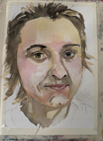


A human’s face has different skin tones in its various sections – in a person with light complexion, the forehead has yellow tones whilst cheeks, noses and ears are pinker, and chins and jaws can have more purple/green/grey hues. For people with dark skin tones, we also observe lighter sections to the forehead, redder undertones to noses, cheeks and ears,...


Flowers have a fascinating architecture! Their petals each have particular shapes and are arranged around the central core of the flower. All flowers grow according to a species-specific three-dimensional design, and our sketching gets us into discovering this. We will use a tried and tested sketching method: “simplify, sub-divide, correct” – where we start with a simplification of what we see,...


Life drawing is one of the most fascinating things to do in art and design. It is a superb way of starting your drawing journey if you have never been there before, and it is a never-ending theme for more advanced artists at all levels.In everyday life, we are tuned into observing and interpreting the bodies and movements of our...
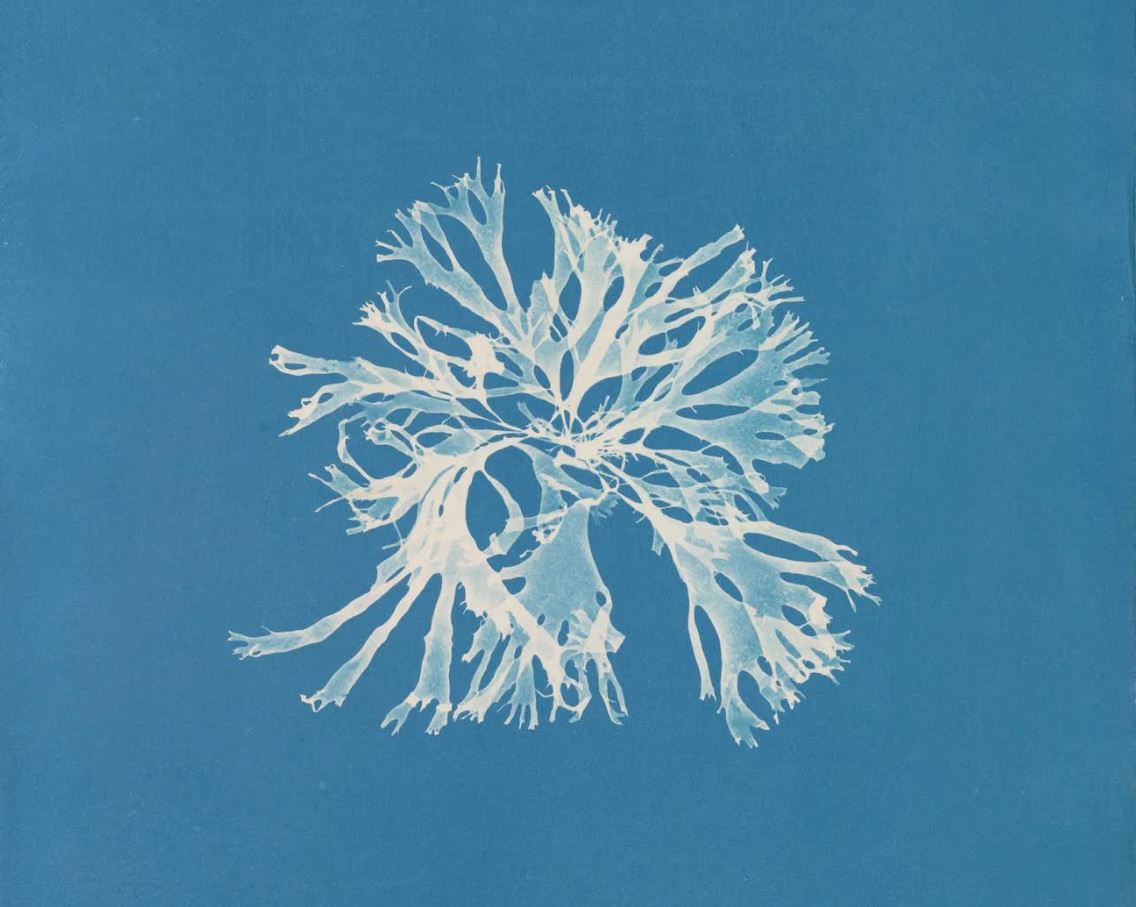
Handmade photography refers to photographic processes used prior to the invention of analogue film. These often forgotten processes allow us to print physical objects using natural sunlight. Anna Atkins, the first woman to publish a photographic book, used cyanotype chemicals (now most commonly recognised as architectural blue prints) to print and catalogue seaweed species found around the coast of the...
2026 Open Exhibition ‘GARDEN’Artists are asked to respond to the theme ‘Garden’ for an exhibition at The Guild for Lifelong Learning at the end of the summer term.The full brief can be found on Google Drive Submission guidelines can be found on Google Driveor we can email a copy on requestDeadline for submissions Friday 1st May 2026Exhibition runs 1st June—10th July 2026Private View...


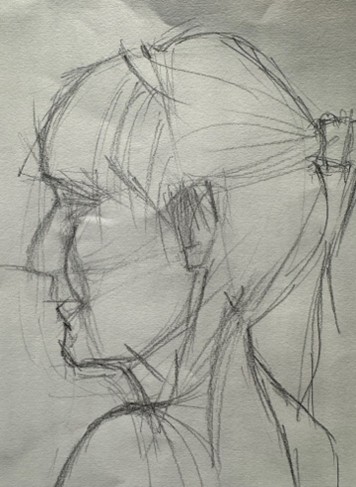
In this session we will learn how to use lines to draw a person’s head. As with sketching any other three-dimensional object from observation, this means to draw a simplified shape for the head and face, then subdivide these, whilst continuously correcting where we have not adequately picked up the proportions. We all want to draw correct proportions ! But, this...


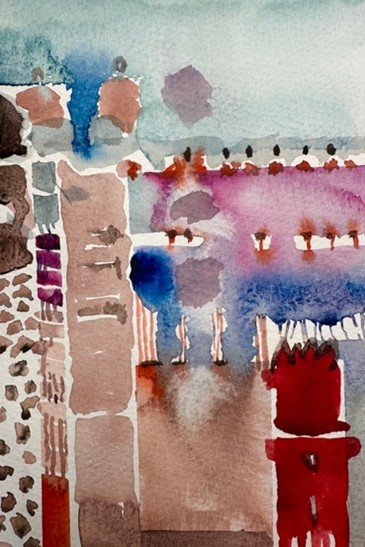
In this session we learn basic watercolour techniques and use them to make abstract compositions. We will learn how to make continuously coloured washes, wet-in-wet colour textures, and how to layer colours using the transparency particular to watercolour paints. If you would like to practice techniques but would like your practice to come together in the form of interesting pictures...


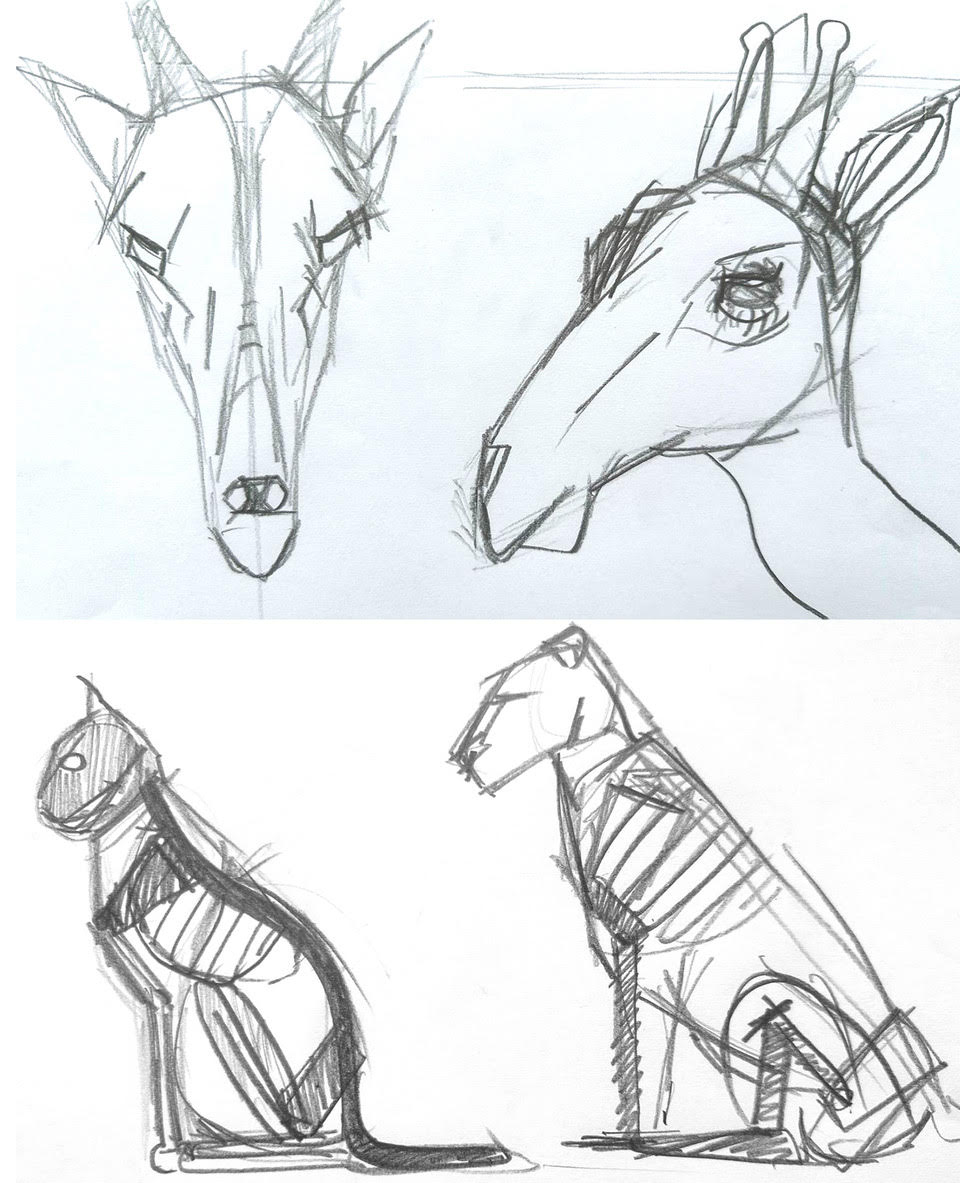
In this session we will explore how animals are shaped: we’ll start by understanding their shapes as simplifications of round or rectangular forms with protruding legs, heads and tails…We will then draw an animal head and change its proportions and positions of the eyes and discover how this will change the type of animal…., and making us understand how the...


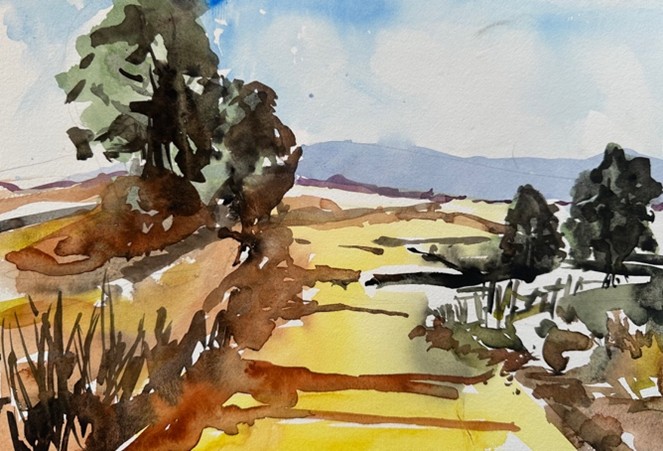
In this session we will learn how to paint a landscape with watercolours, using such basic techniques such as making a wash, layering and overlapping colour areas, dabbing away paint from a wet layer (clouds!) and adding marks from brushstrokes to show reflections of light in the water or grasses in the foreground. We will start with making a pencil...


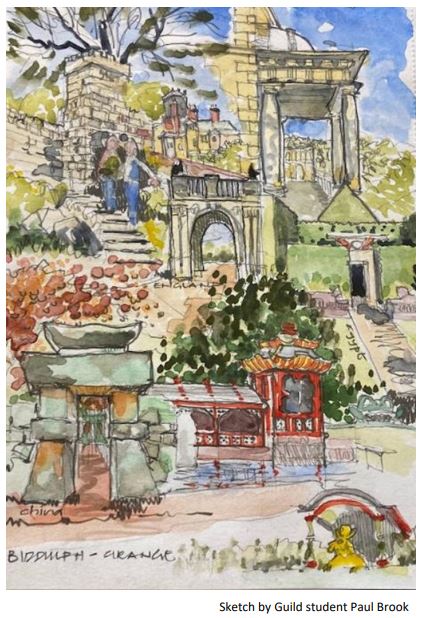
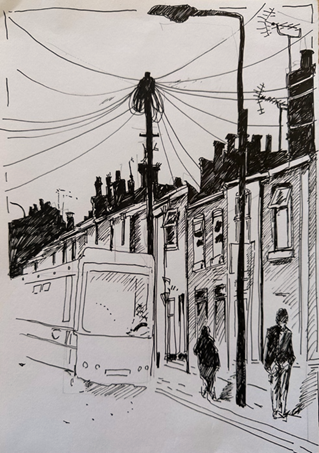
For this session, we will congregate in the Snowgoose, Macclesfield (52 Sunderland St, Macclesfield SK11 6HN) and then venture out to find quiet areas to draw buildings, roads, and details of the urban environment as we see and observe it. We will be standing, holding a solid-backed sketch pad or book or paper clipped to a drawing board. We might...


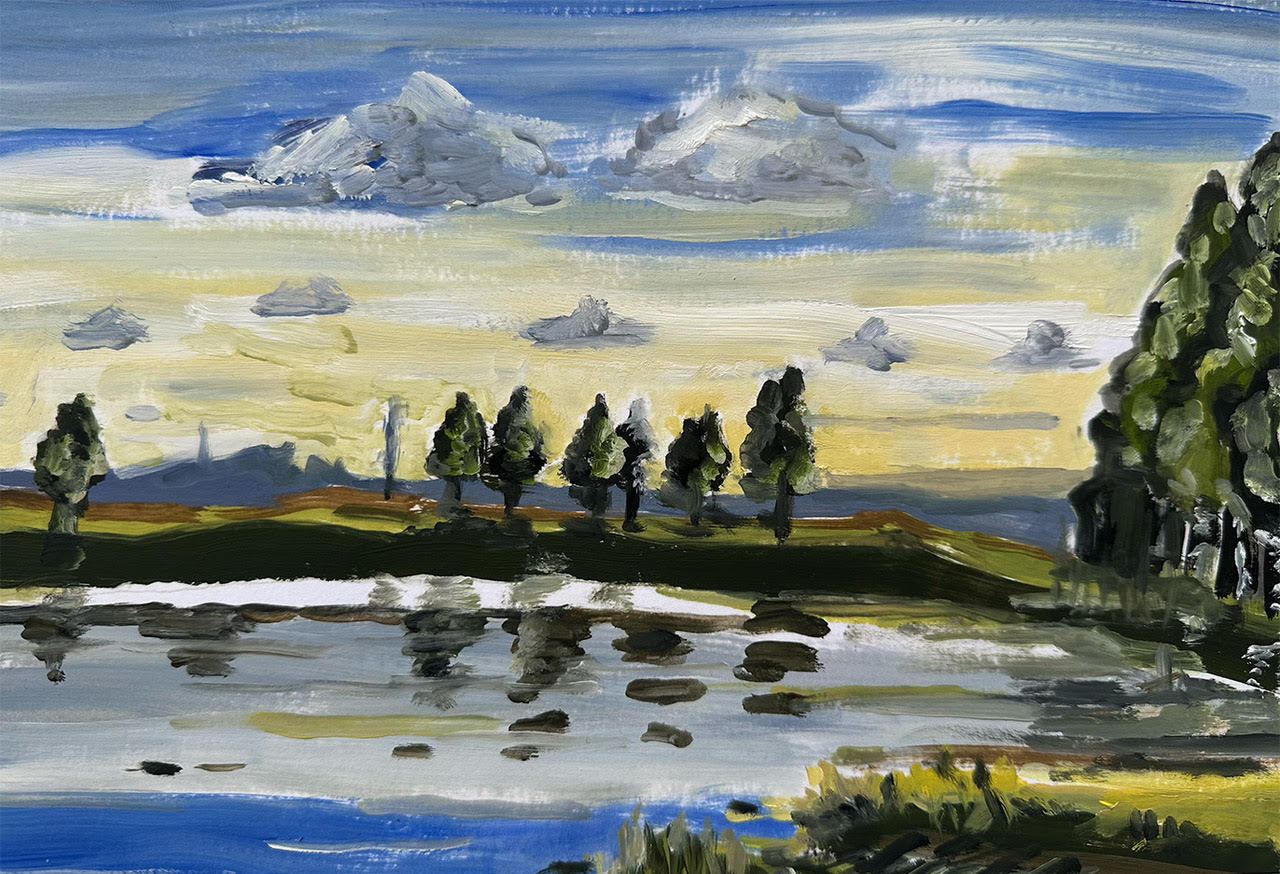
In this session we will learn how to paint a landscape with acrylic paints, starting with a pencil sketch and then adding colour layers to it. We will learn how to mix paints and use colour perspective for distance and proximity to show far away mountains, close by water surfaces, groups of trees and houses (and their reflections in the...


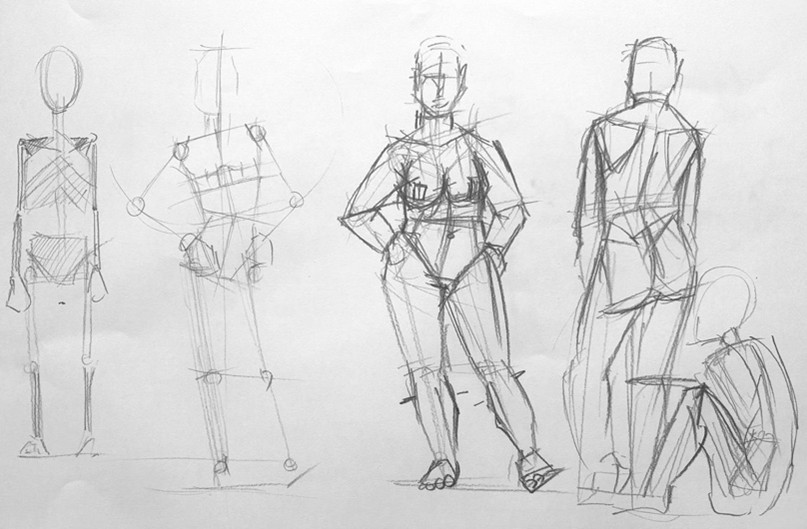
In this session we will draw a human figure following the 8-heads figurine scheme. Using an oval shape for the head, circles for joints and trapezium shapes for upper and lower core, we will learn to assemble these elements to form a human figure and then arrange them to show a standing person, with even or uneven weight distribution. Further...


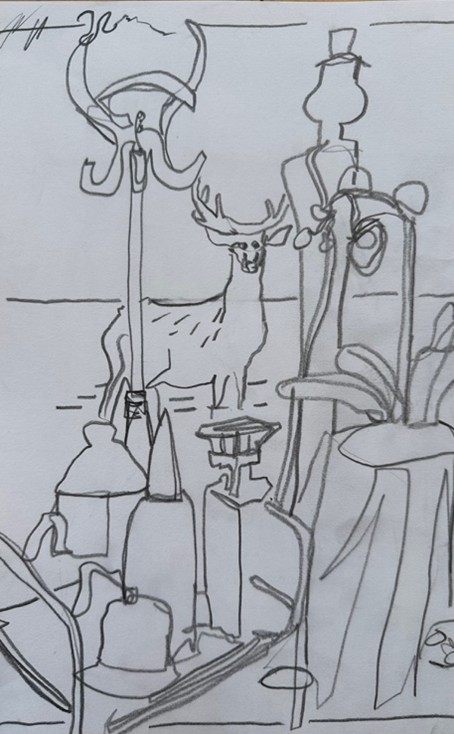
When making a continuous line drawing our pencil keeps the contact with the paper whilst we draw and observe, slowly scribbling lines on the paper that correspond to the journey that our eyes undertake when gliding over the observed objects. Such a way of drawing relies on allowing our eyes, and the line-making action of the pencil to stay in sync,...


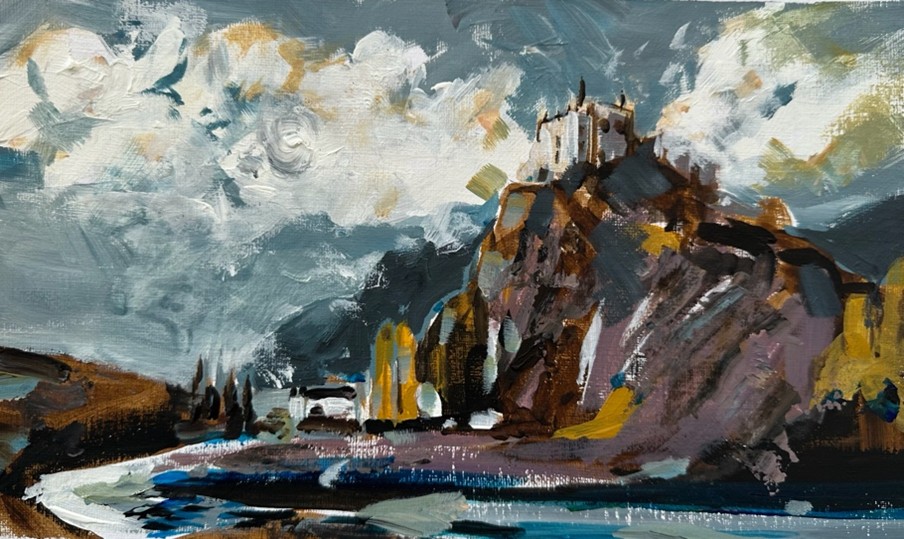
Painting with oils is special….they don’t dry as quickly as acrylics and the colours can be blended so smoothly… And, you can always change a colour texture again, and add to it.In this session we will learn how to paint a landscape with oils, starting with a pencil sketch and then adding colour layers to it. We will learn how...


Life drawing is one of the most fascinating things to do in art and design. It is a superb way of starting your drawing journey if you have never been there before, and it is a never-ending theme for more advanced artists at all levels.In everyday life, we are tuned into observing and interpreting the bodies and movements of our...